

What Animals Are Used In Makeup
Published by .
Do y'all know what's lurking in your makeup bag?
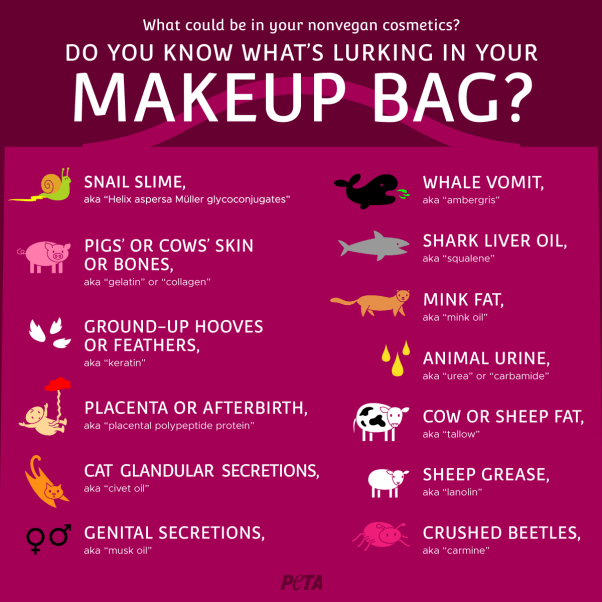
Betwixt your highlighter and your lipstick there might exist something sinister—or at least really icky. Nosotros compiled a listing of the grossest cosmetics ingredients for you to avoid. Happy reading!
Snail Slime
 © iStock.com/JP-B
What it's called on the package: helix aspersa muller glycoconjugates or snail cream
What information technology really is: snail fungus taken from captive snails using cruel methods
Where it may be lurking: skin creams and lotions
Pro tip: Check out this page to larn how the snails are harvested. (Spoiler warning: It'southward not adept.) Nosotros've also found some great alternatives to snail-slime products, such as these lovely masks.
Pigs' and Cows' Skin and Bones
What it'south called on the parcel: gelatin or collagen
What it actually is: Gelatin is poly peptide obtained past humid pare, tendons, ligaments, and/or basic in water. It can come from cows, pigs, horses, or fifty-fifty fish.
Where information technology may be lurking: shampoos, face masks, creamy cosmetics, and nail polish removers
Pro tip: There are products for your every need that don't contain gelatin. Skip the ones that include it on their ingredient listing to continue your face animal-friendly. On a budget just want to make certain you're not using dead animals in your hair? Cheque out our favorite cruelty-free drugstore shampoos and conditioners.
Ground Upward Hooves or Feathers
What it'south called on the package: keratin
What information technology actually is: Keratin is the protein from the ground-upward horns, hooves, feathers, quills, and hair of diverse animals.
Where it may be lurking: pilus rinses, shampoos, permanent wave solutions, and more
Pro tip: There are enough of vegan options out there to continue your hair silky and smooth, such as hair products containing almond oils and soy proteins. Wait for products labeled "vegan keratin."
Placenta
 © iStock.com/Tassii
What it's called on the package: afterbirth, placental polypeptide protein, or placenta
What it actually is: Yes, information technology's actually placenta, i.eastward., waste eliminated by the fetus and taken from the uterus of slaughtered animals.
Where it may lurking: pare creams, shampoos, masks, and more than
Pro tip: Kelp products are wonderful alternatives to placenta-based products.
Cat Glandular Secretion
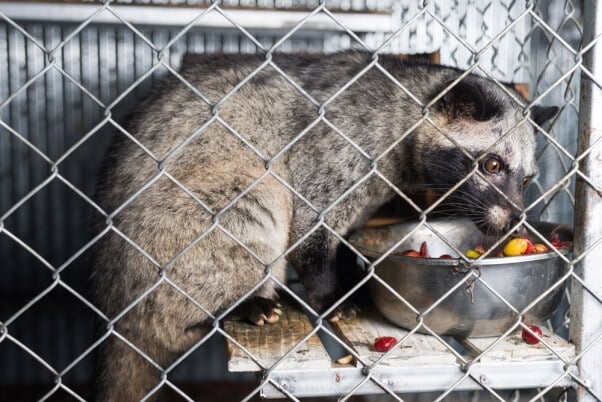 © iStock.com/Bhakpong
What information technology's called on the packet: civet
What it actually is: unctuous secretion painfully scraped from a gland very nigh the genital organs of civet cats
Where it may be lurking: in some perfumes
Pro tip: Bank check out these slap-up cruelty-free perfumes.
*Not to be confused with:
Genital Secretion
 © iStock.com/kwiktor
What it's called on the package: musk oil
What it actually is: "Musk oil" may sound like a fancy proper name for a fragrance, but it's just stale secretion that's painfully obtained from musk deer, beaver, muskrat, civet true cat, and otter genitals. To obtain musk oil, beavers are trapped, deer are shot, and wild cats are kept captive in cages in horrible weather and are whipped around the genitals to produce the scent.
Where it may be lurking: perfumes and oils
Pro tip: At that place are enough of cruelty-gratuitous ways to smell "musk-esque." Try looking for products with labdanum oil (from various rockrose shrubs) to get that desired muskiness.
Whale Vomit
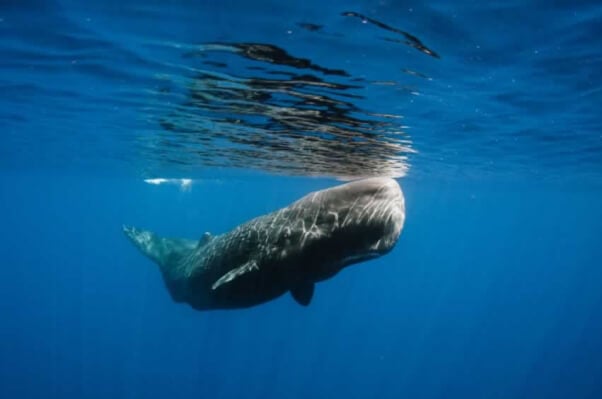 © iStock.com/ShaneGross
What it'southward called on the package: ambergris
What information technology really is: This wax-like substance from the intestines of sperm whales tin can be establish in the animals' poop or vomit and is used as a fixative in some perfumes and even in some food.
Where it may be lurking: perfumes
Pro tip: Don't want to spray your wrists with whale puke? Look for synthetic or vegetable fixatives and definitely bank check out these cruelty-complimentary fragrances.
Shark Liver Oil
 © iStock.com/lindsay_imagery
What it's called on the package: squalene or shark liver oil
What it really is: This is exactly what it sounds like: oil from the liver of sharks … gross.
Where it may be lurking: deodorants, suntan lotions, face creams, and more
Pro tip: Look for products containing only vegetable oils, or take hold of one of the lotions on this listing.
Mink Fat
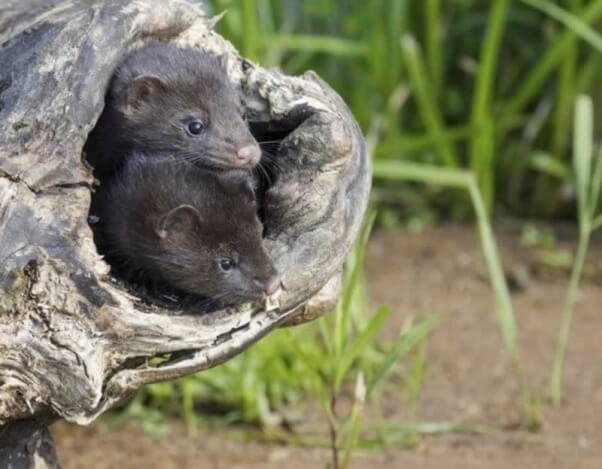 © iStock.com/Kenneth-Canning
What information technology's called on the bundle: mink oil
What it actually is: an oil that comes from the fatty of minks who were slaughtered for their fur
Where it may be lurking: makeup, creams, and more than
Pro tip: Exit the cruelty out of your dazzler regimen past looking for products that apply vegetable oils instead and emollients, such as avocado oil, almond oil, and jojoba oil.
Mayonnaise and Craven Periods
 © iStock.com/VladimirFLoyd
What it'south chosen on the package: mayonnaise or eggs
What information technology actually is: Mayonnaise is made with eggs, which issue from chicken menstruation. Yep, pretty gross.
Where it may exist lurking: face masks and hair masks
Pro tip: If yous want to effort a cruelty-costless DIY face mask, check out our avocado mask.
Animal Urine
 © iStock.com/suriyasilsaksom
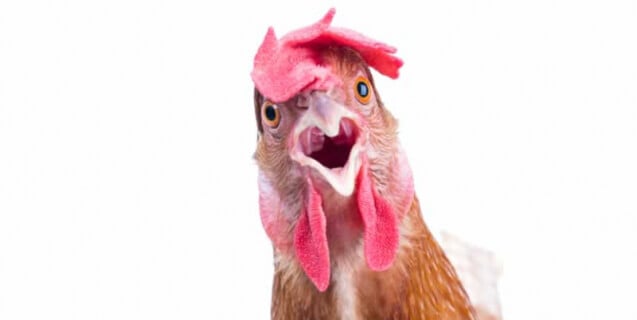
What information technology's called on the package: urea or carbamide
What information technology actually is: a compound derived from fauna pee
Where it may exist lurking: deodorants, ammoniated dentifrices, mouthwashes, hair colorings, manus creams, lotions, and shampoos
Pro tip: Lucky for us, most urea is at present synthetic and not from animal urine, but in that location'south no real style to tell unless y'all contact the visitor and enquire (which you might want to do because, well, information technology's pee)—or you could stick to companies that we have certified vegan and cruelty-free.
Cow or Sheep Lard
 © iStock.com/Tomas_Handfield
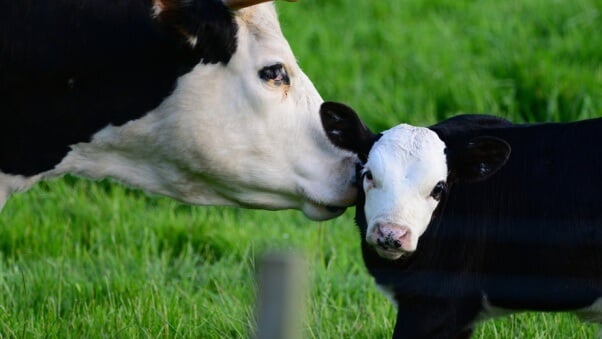
What it's chosen on the parcel: sodium tallowate, tallowate, sodium taloate
What information technology actually is: rendered cattle or sheep fat, made by combining the fatty with lye (sodium hydroxide)
Where it may be lurking: bar soap and other cleansers
Pro tip: Cheque out our list of 17 vegan bar soaps, so you never accept to worry nigh cleaning yourself with cow lard over again.
Bee Vomit
 © iStock.com/mauhorng
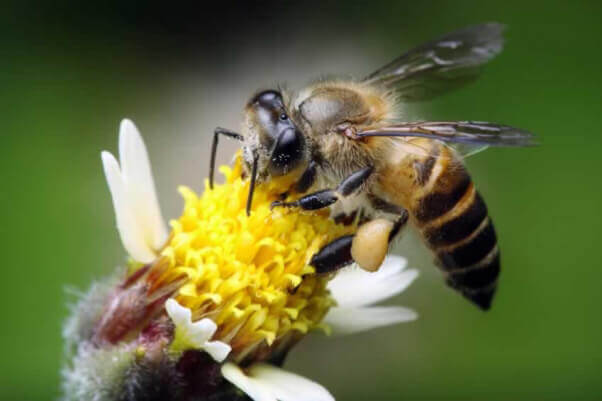
What it'southward called on the package: honey
What it actually is: Worker bees collect nectar from flowers, store it in a separate tum where it mixes with enzymes, then eventually regurgitate the new mixture known usually as "beloved," which is intended for them to store and eat.
Where it may be lurking: a wide diversity of cosmetics, bath items, lotions, sunscreens, and more
Pro tip: Honey is used as an emollient in cosmetics, merely you don't need to slap bee vomit on your pores—wait for vegetable coloring and oils in cosmetics instead of honey.
Melted Bee Vomit
 © iStock.com/Antagain
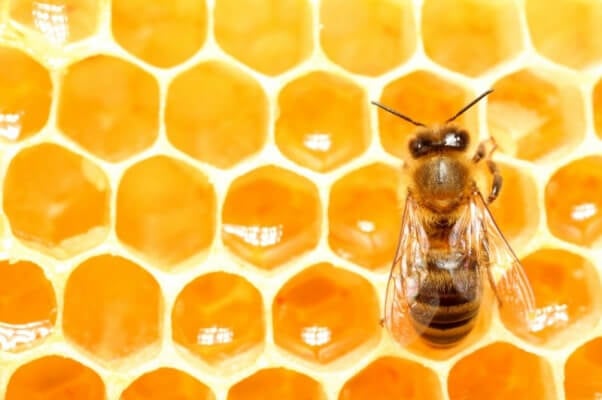
What it's called on the parcel: beeswax, cera alba, cera flava
What it actually is: Beeswax is made from melting the honeycombs that bees take so carefully crafted to store their own food.
Where it may exist lurking: face creams, lotions, cosmetics such as mascara, lip balms, and more
Pro tip: You don't need to steal from our buzzing friends to stay cute: There are tons of vegan options, including paraffin, vegetable oils and fats, ceresin (aka "ceresine"), earth wax (fabricated from the mineral ozokerite), carnauba wax, candelilla wax, and Japan wax (aka "vegetable wax" or "Japan tallow," which is fatty from the fruit of a tree grown in Nihon and Red china). Constructed beeswax is making its way onto more and more ingredient lists these days, which is a win for you and for bees.
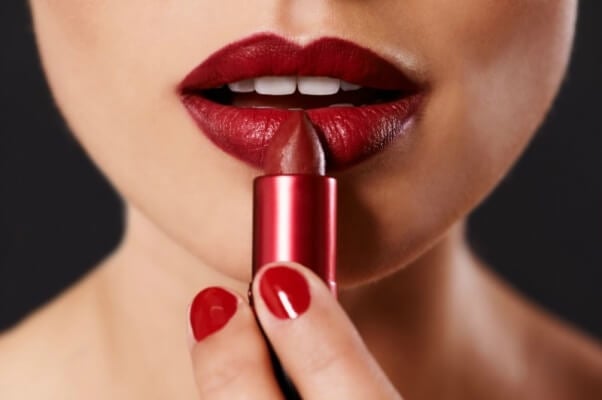
Crushed Beetles
 © iStock.com/PeopleImages
What information technology's called on the package: red, crimson lake, cerise lake, cochineal, natural red four, C.I. 75470, E120
What information technology really is: Carmine is a red pigment made from crushing female person cochineal beetles, and it reportedly takes 70,000 expressionless insects to make i pound of red dye.
Where it may be lurking: makeup, specially in blood-red lipsticks and blushes
Pro tip: Here'south a whole list of cruelty-gratis ruby lipsticks to wear for your next night out (or coincidental work day—you exercise y'all), none of which contain crushed beetles.
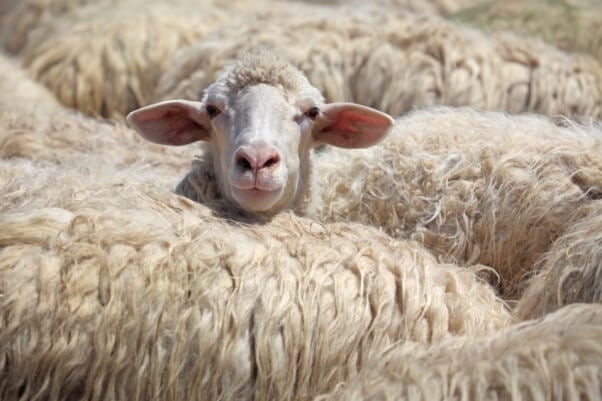
Sheep Grease
 © iStock.com/Hedda Gjerpen
What information technology's chosen on the package: lanolin, aliphatic alcohols, cholesterin, isopropyl lanolate, laneth, Lanogene, lanolin alcohols, lanosterol, sterols, or triterpene alcohols
What it really is: Lanolin is the fancy name for the greasy gunk that coats sheeps' wool to proceed the animals dry out and protect their skin.
Where it may be lurking: shaving creams, lotions, makeup removers, and lipsticks
Pro tip: Look for cosmetics that employ plant and vegetable oils instead.
*****
Want to make sure that y'all never end up with any animal'south slime on your face?
Take the guesswork out of your dazzler routine. Await for products in our cruelty-gratis database and check out these completely vegan dazzler brands. Never utilise placenta on your face up once again. Actually.
Source: https://www.peta.org/living/personal-care-fashion/may-putting-vomit-crushed-beetles-face/
Posted by: backlundyouggedge.blogspot.com
0 Response to "What Animals Are Used In Makeup"
Post a Comment